
Always Failing to Rise Dough? You Might Be Missing These 5 Factors!
Beginner’s Guide! Always Failing to make Dough? You Might Be Missing These five Factors!
Have you ever encountered this problem: following the course step by step, the dough just won’t rise? The resulting bread is as hard as a rock, and the steamed buns aren’t fluffy at all?
Why is fermentation so important?
Fermentation is the most crucial step in making pastries; it determines the texture and appearance of the final product. Successful fermentation allows the dough to fill with gas, forming a honeycomb structure. This results in soft, delicious bread and steamed buns with a subtle aroma of alcohol.

If the dough doesn’t rise properly, even the best filling can’t save the taste! Today, we’ll break down 5 key factors for yeast-based dough rising. After reading this, you can easily make perfectly risen dough too!
1. Choosing the Proper Flour:
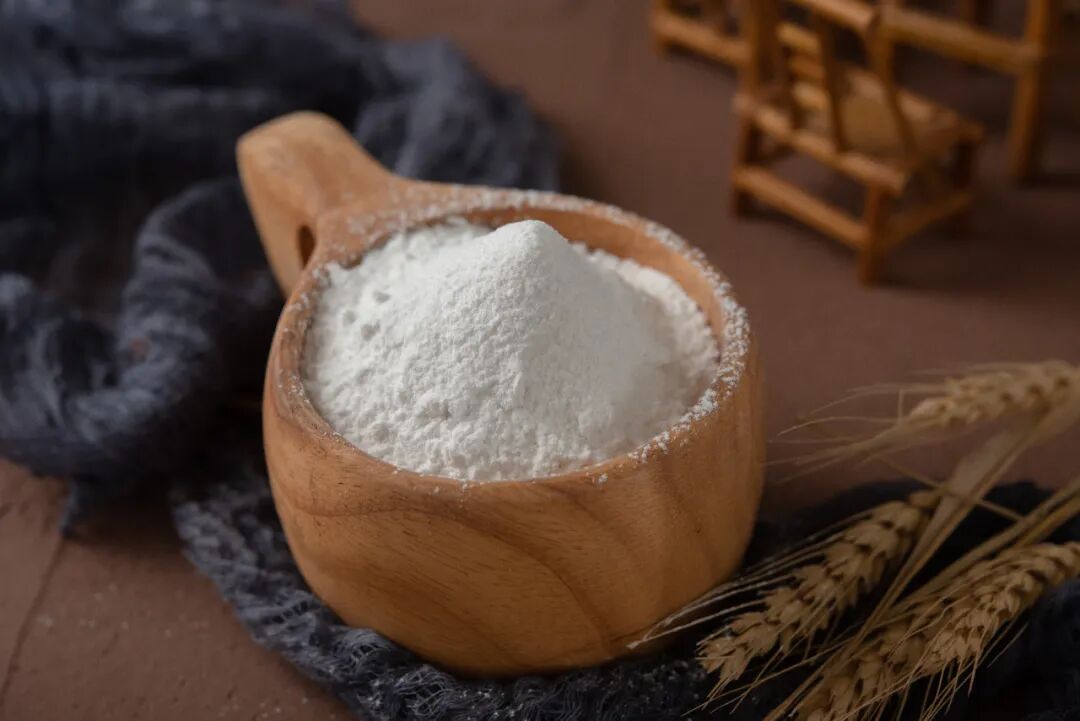
Many beginners think “all flours are the same,” but choosing the right flour is the first step to successful dough rising! The amylase in flour converts starch into monosaccharides, providing “food” for the yeast. If the flour is not fresh or has been processed at high temperatures, this conversion ability will decrease.
In addition, the protein content of flour is also important. It can form a gluten network below 30°C, trapping the gas produced during fermentation. For beginners making bread and steamed buns, choosing regular all-purpose flour (those labeled “home-use wheat flour” in supermarkets) is a sure bet; it has just the right amount of gluten, making fermentation effortless.
2. Yeast is crucial;
The proper Yeast is obviously the main ingredient in fermentation, and its quantity and quality directly affect the fermentation process. The amount of yeast used is generally 1%-2% of the flour weight. For example, if you’re using 500 grams of flour, 5-10 grams of yeast is enough. Adding more will indeed make it rise faster, but exceeding this limit will cause the yeast to clump together and compete for nutrients, resulting in reduced activity. Adding too little will prolong the fermentation time, and beginners may easily become impatient or forget to check, leading to over-fermentation.

For proper Instant dry yeast, you can try Top baker Yeast produced by Bailin Group with faster and more stronger fermentation ability! this brand Yeast will not let you down.
3. How much water to add?
The most confusing thing for beginners when kneading dough is “how much water to add.” Actually, the amount of water directly affects the dough’s… The “temperament” of the dough affects its rising performance:
Soft dough with more water: The dough feels soft to the touch, allowing the yeast more room to move and produce gas quickly, resulting in a shorter fermentation time. However, the downside is that the gluten network is looser, making it easier for gas to escape, potentially causing the dough to collapse during steaming.
Stiff dough with less water: The dough is firmer, making it harder for the yeast to move, resulting in a longer fermentation time. However, stiff dough has a denser gluten network, better gas retention, and produces steamed pastries that are firmer and chewier.
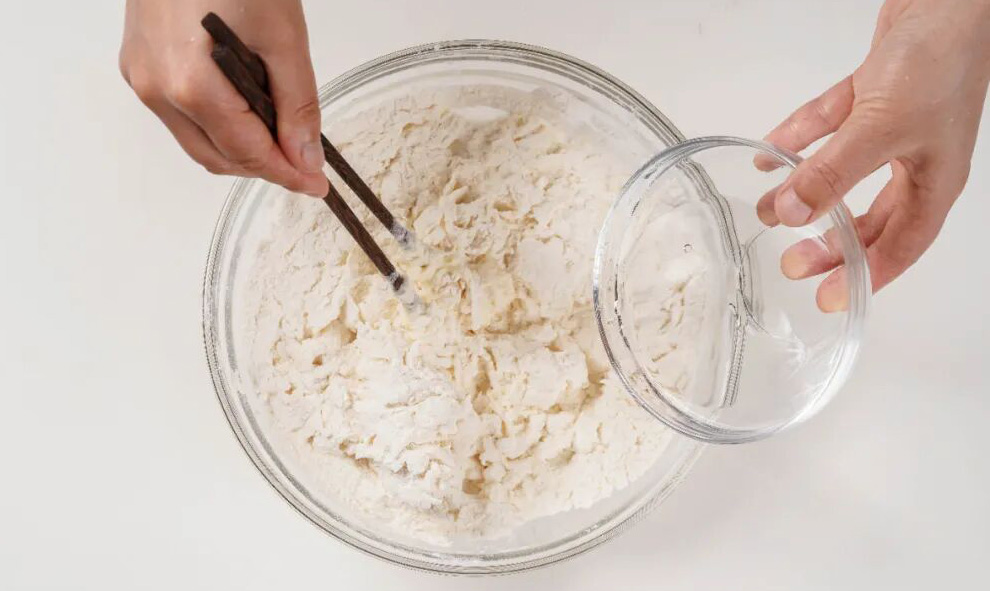
Generally, the water content should be controlled at 45%-50% of the flour weight. For example, for 500 grams of flour, add 225-250 ml of water gradually while stirring, adjusting the amount according to the flour’s absorbency. Don’t pour all the water in at once; reserve about 10 ml for flexible adjustments. Even beginners can avoid failure!
4. Temperature is also crucial.
Yeast acts like a… “Delicate baby,” yeast is highly sensitive to temperature; incorrect temperature can significantly affect dough. Remember these temperature ranges:
- Below 0°C: Yeast is dormant and inactive.
- 0-30°C: The higher the temperature, the more active the yeast.
- 30°C: Yeast is most active and multiplies the fastest.
- 30-60°C: The higher the temperature, the lower the activity.
- Above 60°C: Yeast dies.
How can beginners control the temperature?
In winter, you can place the dough in warm water (around 30°C, not hot to the touch) for a water bath to ferment, or place it near a radiator. In summer, when the temperature is high, ferment at room temperature, but don’t place it in direct sunlight—never use boiling water to knead the dough, as the heat will kill all the yeast. This is a common mistake beginners make!
5. Pay attention to fermentation time.
Many beginners think “the longer the fermentation, the better,” but time is a double-edged sword. Too long or too short a time will cause problems:
Too short a time: The yeast hasn’t had time to produce enough gas, the dough won’t rise, and the steamed dough will be small, hard, dark in color, and have a poor texture.
Too long a time: The dough will… Over-fermentation results in a stronger sour taste from the yeast, making the dough sticky, less elastic, and prone to collapsing and losing its shape when steamed.
How to time it correctly? There’s no fixed standard, as temperature and the amount of yeast both affect the fermentation time. Generally, at room temperature (25-30℃), fermentation takes about 1-1.5 hours. If using warm water, the time will be shortened to 40-60 minutes.

Observe the dough’s volume. Generally, the dough is ready when it has doubled in size.
After reading this, doesn’t fermenting dough seem less difficult? Actually, many experienced bakers have gone through the process of “ruining dough countless times”— Maybe you added too much water the first time, didn’t control the temperature well the second time, and forgot to check the time the third time, but every failure is experience!
When you make your first fluffy and soft bread or steamed buns and bite into that mouthful of wheat flavor, you’ll find that making dough is really not difficult at all, as long as you master the key points! Go try it out, and I look forward to seeing your successful baking creations!
Leave a Reply
Want to join the discussion?Feel free to contribute!